Key takeaways
- A budget and a deadline are necessary inputs, and on their own they leave sourcing to default to price.
- Nissan and Infiniti programs drew on comparable spend and needed very different products, because each brand sent a different signal.
- A complete brief answers six questions: the recipient, the distribution context, the behaviour wanted, success at 12 months, the brand signal and the timeline.
- A distributor worth working with pushes back on a vague brief before a single unit is sourced.
The most common mistake in enterprise promo briefs
Enterprise marketing procurement teams approach promo programs with a budget number and a deadline. Those are necessary inputs. They are not, on their own, a brief.
Definition: A promotional products brief is the foundational document that defines who receives an item, what they expect from the brand, what behaviour the item should produce, and what brand signals it must carry. Without a complete brief, sourcing decisions default to price point rather than program outcome, and the resulting items typically underperform regardless of quality.
The brief that determines program quality is the one that answers: who is receiving this item, what do they already expect from this brand, and what behaviour do we want this item to produce. Most promo programs never answer those questions clearly before sourcing begins. The result is a product that fits the budget and misses the audience entirely.
87%
of Canadian consumers are more likely to do business with an advertiser after receiving a promotional item.
Research provided by the Advertising Specialty Institute, 2026.
What two programs with identical budgets actually look like
Willwerth Promotions' president started his career inside marketing procurement at Nissan and Infiniti, evaluating RFPs and supplier submissions across both brands. The two brands shared a parent company, often shared a procurement team, and frequently shared a budget envelope.
The programs looked nothing alike.
Nissan programs were volume plays. Broad dealer network, mass consumer touchpoints, associate gifting at scale. The brief called for items that could be produced in large quantities, distributed efficiently, and recognized across a wide audience. Unit cost mattered. Quality was important but had to be balanced against reach.
Infiniti programs used comparable spend but required a fundamentally different product profile. Every Infiniti brand touchpoint signals premium. An Infiniti recipient receives something and immediately evaluates it against the brand's positioning. A mass-market item that works well in a Nissan context does not work in an Infiniti context. The brand signal is wrong.
The budget was the same. The brief was completely different. The products had to follow the brief, not the price point.
The six questions a brief needs to answer before sourcing starts
Willwerth Promotions will not begin sourcing on a program without a clear brief. That discipline is how programs avoid being mediocre, not a procedural requirement.
The questions that a complete brief must answer:
Who receives this item? A demographic category is not an answer. Give an actual description of the recipient and what they already associate with this brand.
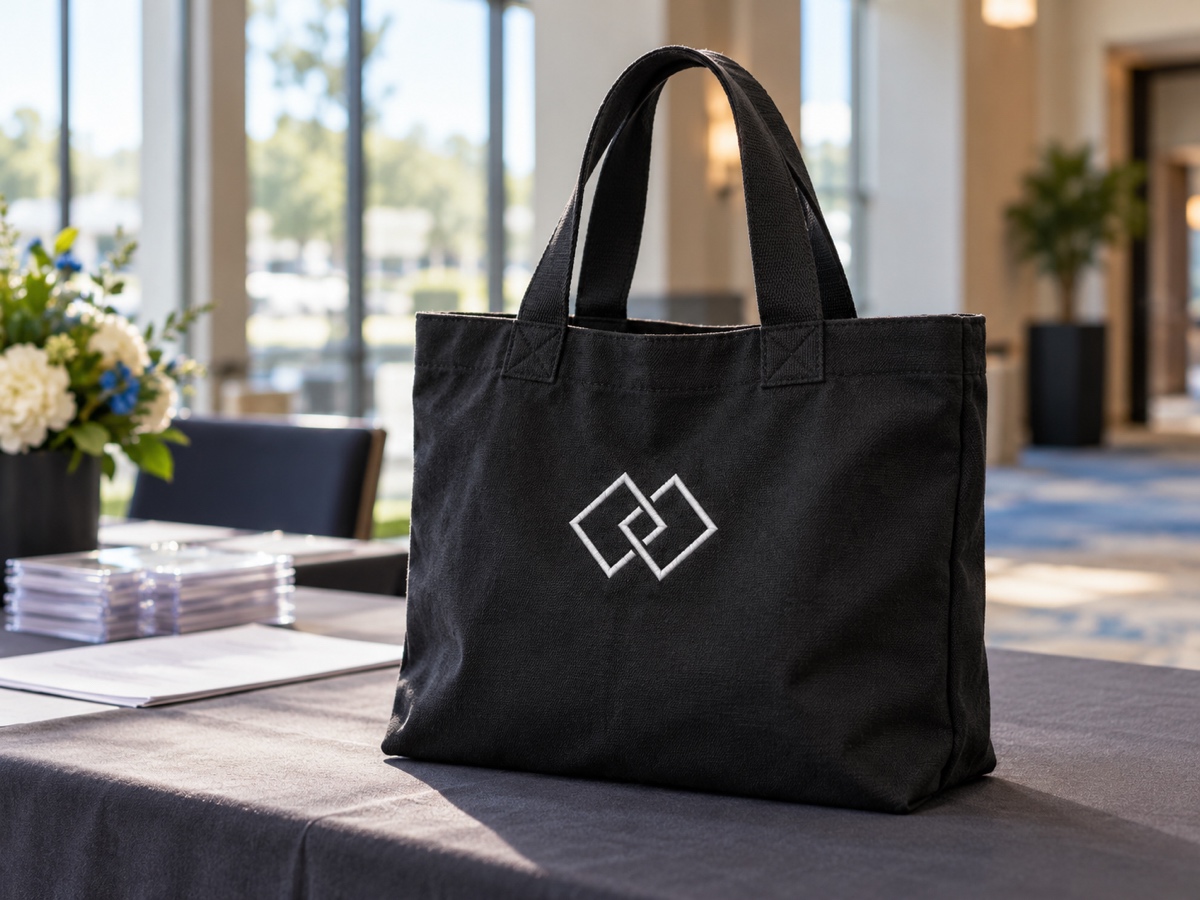
What is the distribution context? A live event, a shipped kit, a walk-in pickup, a fulfilment centre. The context changes everything about packaging, protection, and presentation.
What behaviour should the item produce? Retention, advocacy, purchase, loyalty. A program designed for retention looks different from one designed for acquisition.
What does success look like 12 months after distribution? If the item is still in use, still generating impressions, it worked. If it is in a drawer or discarded, it did not. ASI's research puts a typical promotional product at about 3,300 brand views over its lifetime, and those views only arrive while the item is kept. Design for retention from the beginning.
What brand signals must the item carry? This is the quality level, the category choice, the detail level that aligns with how this brand wants to be perceived, not logo placement.
What are the timeline and volume constraints? These determine what sourcing strategies are available. A program with a 90-day lead can access offshore pricing that a program with a 30-day lead cannot.
Before sourcing starts: write down who receives the item and what you want them to do afterwards. If either answer is missing, the quote will default to price.
What happens when the brief is weak
Distributors who receive a weak brief have two options: ask the questions the client should have answered, or source against the price point and hope the item actually performs.
The second option is more common than the first. It is also why enterprise marketing teams often come away from promo programs feeling underwhelmed. The item arrived on time and hit the budget. It just did not do anything for the program.
A partner worth working with will push back on a vague brief, not because the pushback is inconvenient, but because the program outcome depends on getting the brief right before a single unit is sourced.
A distributor who shows up with the same catalogue for both programs has not read the brief.
On the Nissan and Infiniti programs
The brief is the program
Enterprise promo programs fail at the brief stage far more often than they fail at the production stage. The sourcing, the logistics, the quality control: these are solvable operational problems. A program built on a brief that did not answer who the recipient is or what the item needs to accomplish is a harder problem to fix downstream.
Working through a program brief? We can help you answer the six questions before the product conversation starts.
Book a 30-minute callFrequently asked questions
What should a promotional products brief include before sourcing begins?
A complete brief answers six questions: who receives the item and what they already associate with the brand, what the distribution context is (live event, shipped kit, self-serve pickup), what behaviour the item should produce (retention, advocacy, purchase), what success looks like 12 months after distribution, what brand signals the item must carry in terms of quality and category, and what the timeline and volume constraints are.
Why do enterprise promo programs fail at the brief stage?
Most programs begin with a budget number and a deadline rather than a clear articulation of the recipient, the brand signal required, and the behaviour the item should produce. Distributors who receive a vague brief will either ask the questions the client should have answered, or source against the price point and hope the item actually performs. The second option is more common, which is why marketing teams often come away from promo programs feeling underwhelmed.
How does brief quality affect the final program outcome?
Brief quality is program quality. The sourcing, logistics, and quality control are all solvable operational problems once the brief is clear. A program built on a brief that did not answer who the recipient is or what the item needs to accomplish is a harder problem to fix downstream, because the product selection and quantity decisions have already been made on the wrong basis.
What is the difference between a Nissan brief and an Infiniti brief?
Two brands, one procurement team, identical budget. Nissan programs were volume plays, broad distribution, items designed for wide reach, where unit cost mattered and quality had to be balanced against scale. Infiniti programs required items that signalled premium quality because every Infiniti brand touchpoint signals quality. A distributor who shows up with the same catalogue for both programs has not read the brief.
Why does a distributor need to understand the audience before recommending products?
The product follows the demographic, not the budget. The same spend can produce a mass-market volume item or a premium gifting experience depending entirely on who is receiving it and what impression the brand needs to make. Asking about price before asking about audience is the most common mistake in enterprise promo briefs.
How does timeline in a brief affect which sourcing strategies are available?
A program with a 90-day lead can access offshore factory-direct pricing that a program with a 30-day lead cannot. ASI's research puts a typical promotional product at about 3,300 brand views over its lifetime. Designing for retention from the beginning, which requires understanding what the recipient values, is only possible when the brief answers questions about the audience before sourcing begins.
What should happen when a promotional products distributor receives a weak brief?
A partner worth working with will push back on a vague brief and ask the questions the client should have answered before sourcing began. A vendor who is optimizing for a quick transaction will source against the price point and deliver something that hits the budget without moving the program forward. The response to a weak brief is itself a quality signal about the distributor.
Willwerth Promotions' approach starts with the brief, every time. If you want to work through a program brief before the product conversation begins, start here.
Related articles
- What a True One-Stop-Shop Means for Enterprise Marketing Teams
- Promotional Products Outrank Every Digital Ad Format. Here Is the Data.
- Why Branded Merchandise Outperforms Cash Bonuses for Employee Recognition
more on enterprise marketing
This article is part of Willwerth Promotions' Enterprise Marketing content cluster. Browse the full collection of articles for buyers and program owners researching this category.
Browse all Enterprise Marketing articles »